2018年1月1日 下午4:07
疑惑一:
class 3: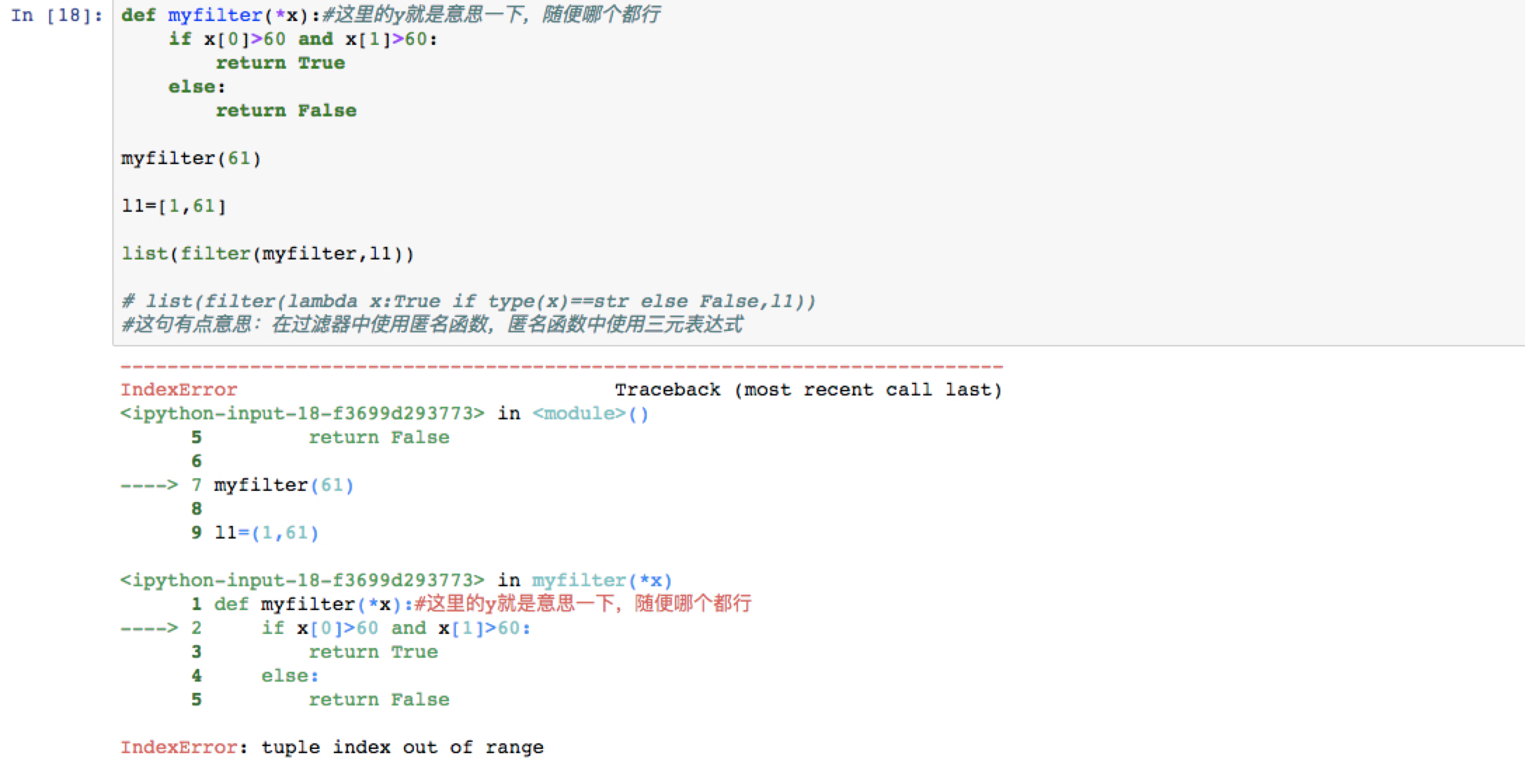
疑惑二:
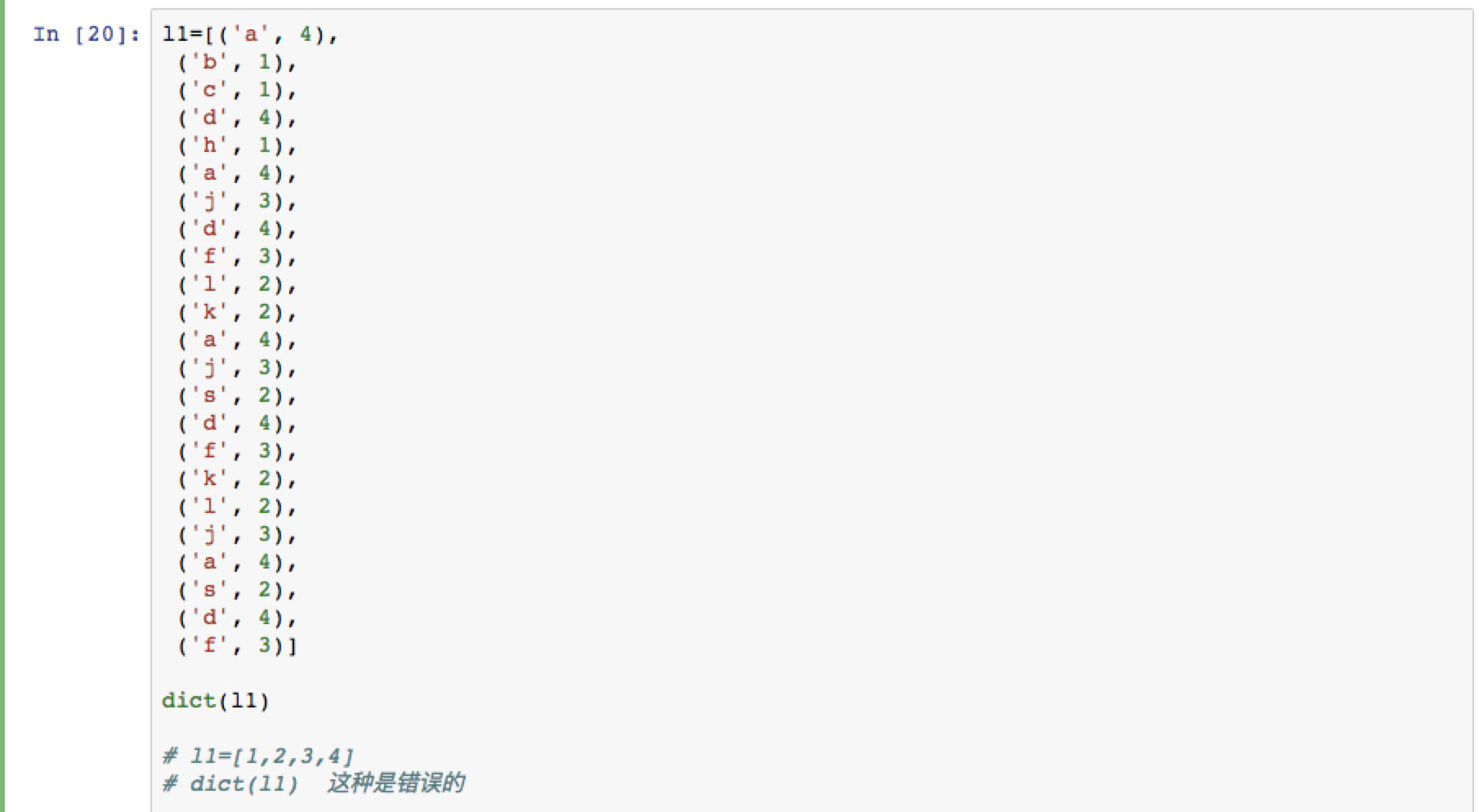
解答:
这三种数据结构,各有用途,根据用途来记就行。
list就有序列表。
tuple是在list的基础上,加上了只读属性
而dict是一种kv对应的关系
list和tuple之间的转换很简单
但key如果要转换成list,先要想清楚,为啥要转。
是只转key,还是只转v,还是kv都转
老师明白你的意思了,我是看到有人将list转换成了dict
这样是可以的。
共有6个item,key是每个元祖的第一个,value是第二个。
像这种结构的转换是不是直接记住就行了,其实没啥原因?
转成dict就会方便操作。
嗯。你把a想象成用户名,4是密码
后边都是一样
而且,我还发现他在转换的过程中去除重复项
key值是唯一的
不允许 重复
不用死记这样的情况,用到了,去百度,去问问,就会了。
多用几次就熟了
疑惑三:

疑惑四:
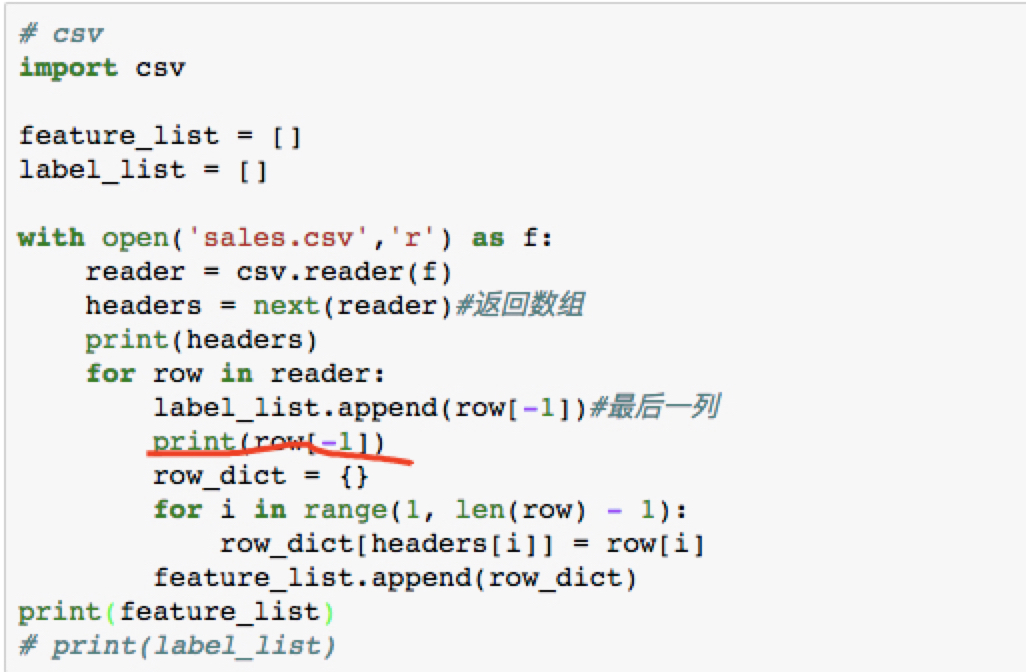
这里的print一次全部输出,并且只输出一次
疑惑五:
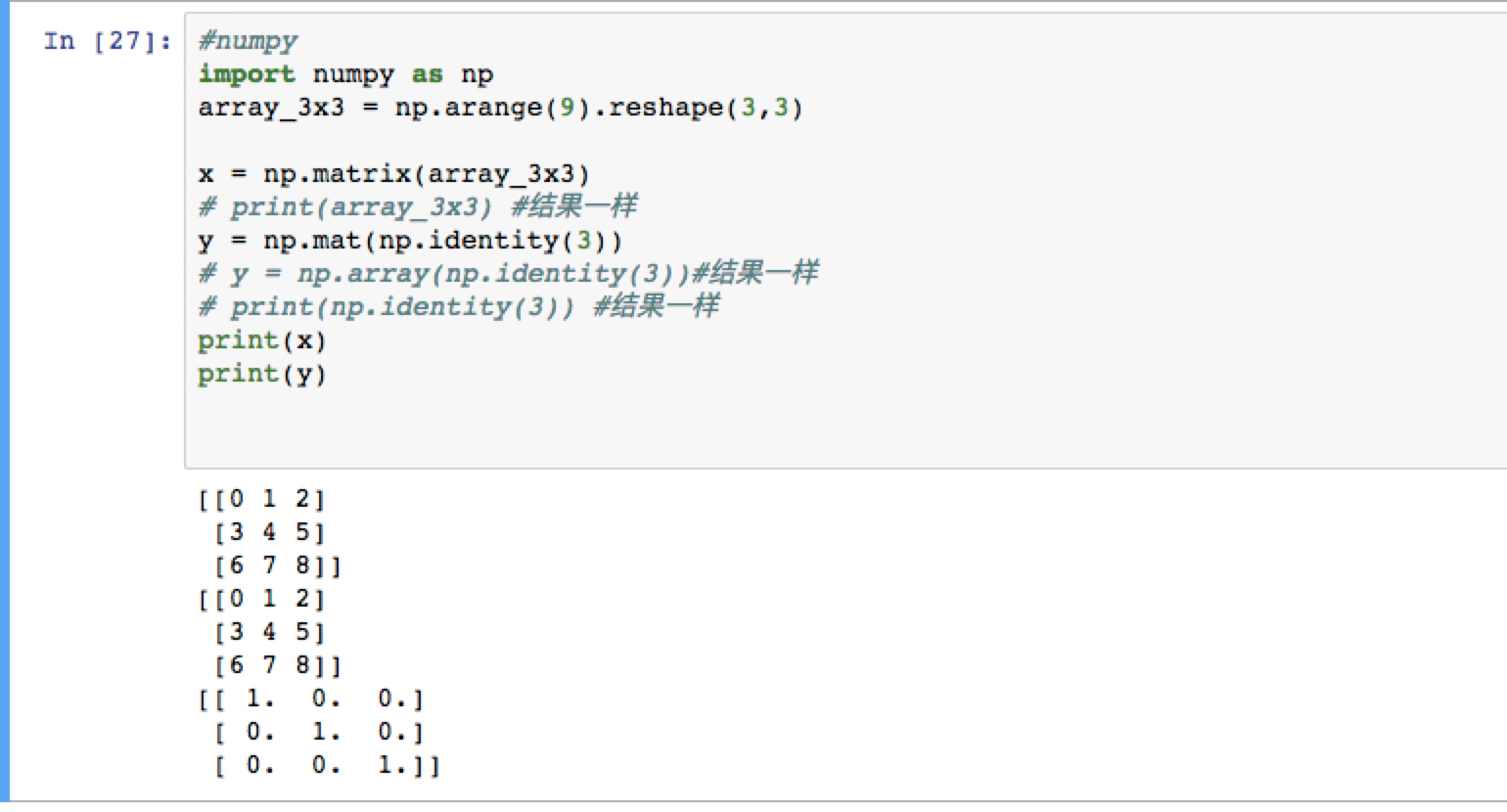
代码:
1 | #numpy |
疑惑5
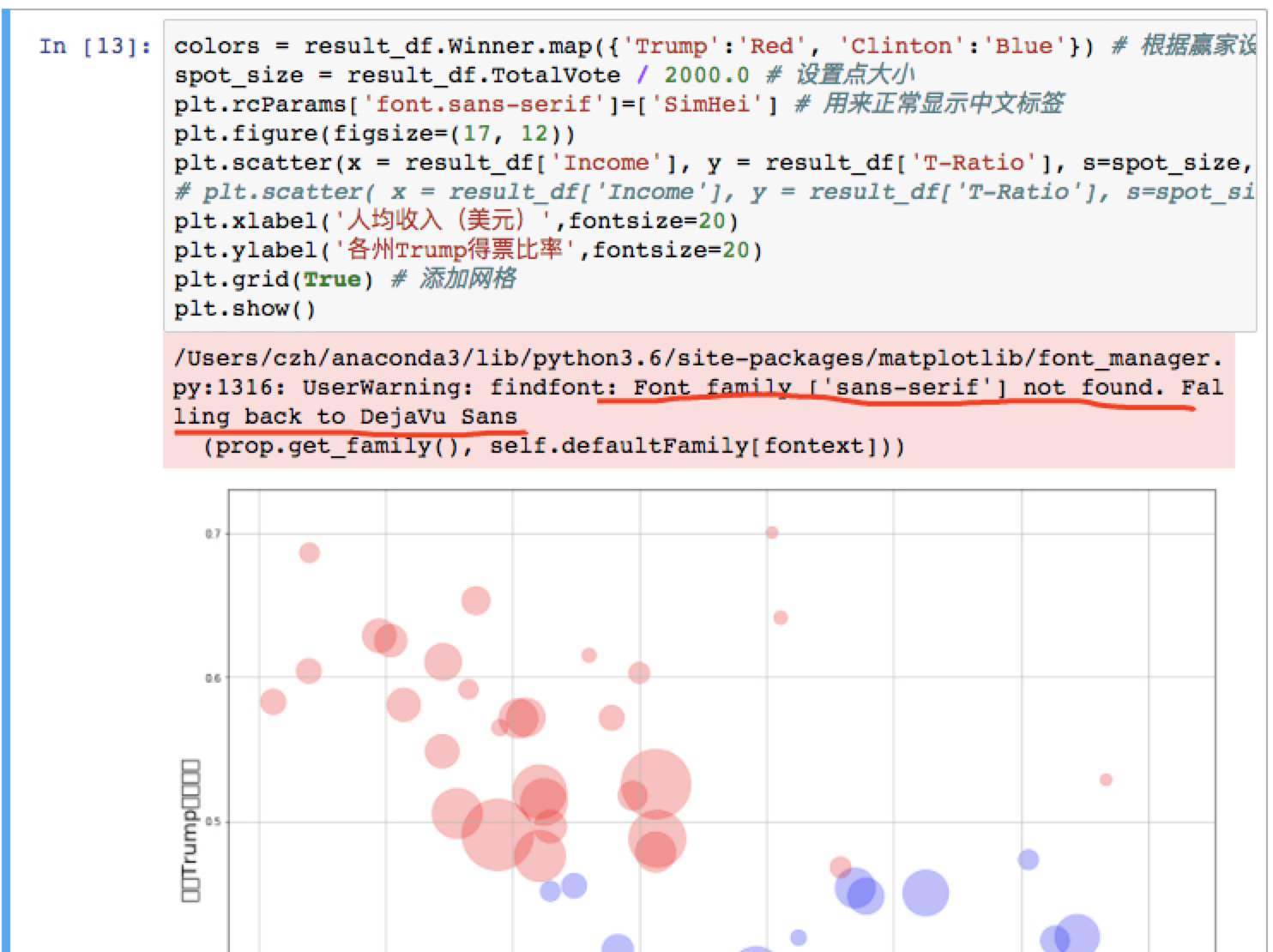
疑惑6
1 | # 散点图 |
np.arctan2 怎么用
矩阵的除法如何计算,尤其是list1/list2
疑惑7
- 通过学习python中的各种库的过程来看,我是没有根据手册进行学习的能力的,百度成了我主要的工具。
- 原因出在了:对英文手册不理解,就和考六级似的
疑惑8
1 | import string |
疑惑9
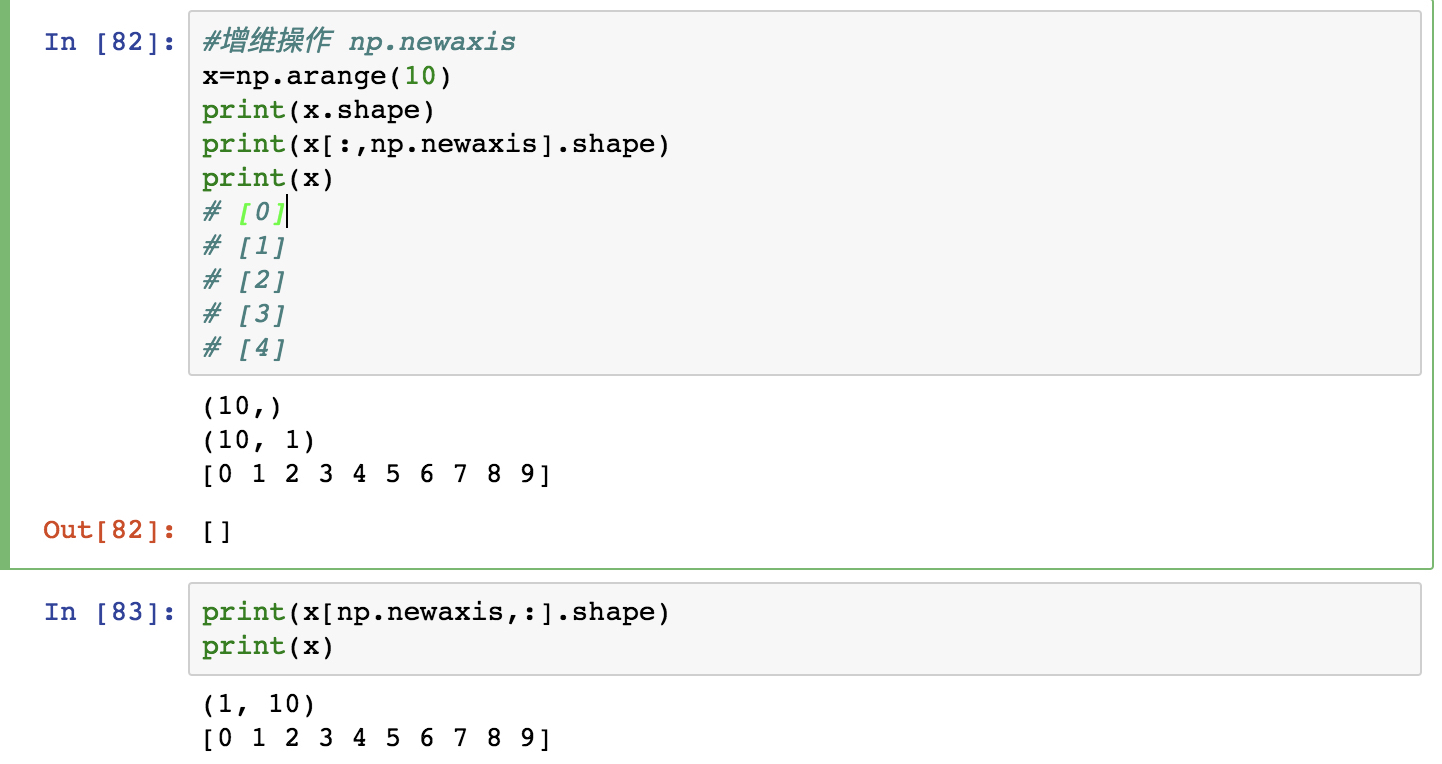
解答:x = x[:,np.newaxis]这句加上。增维不在本身基础上进行