The moment you start your speech, you've got this
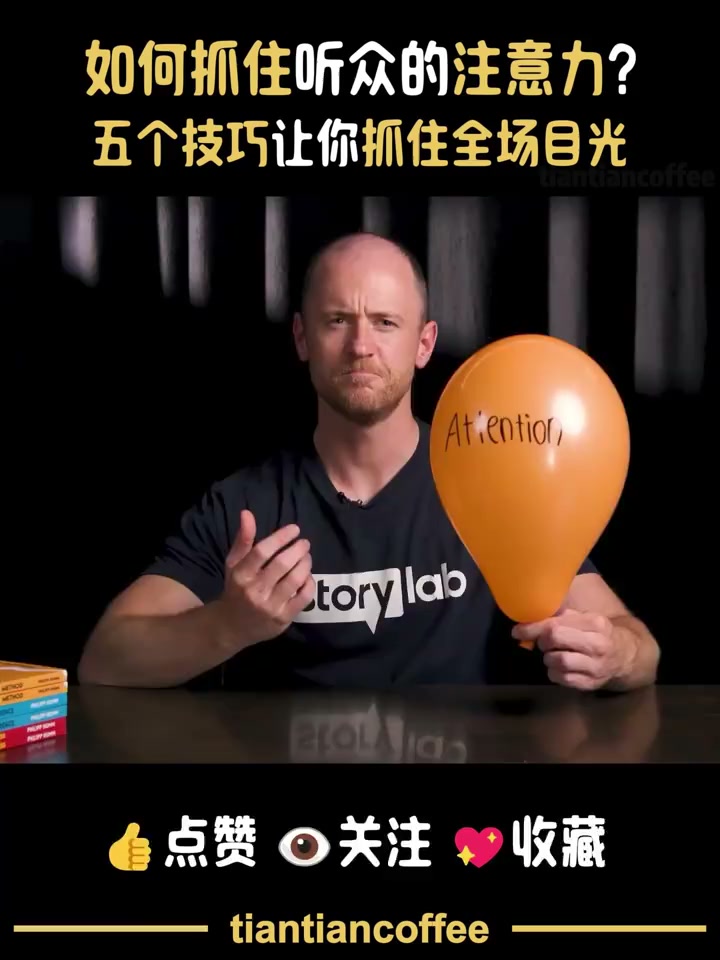
Your listeners, full attention
Hi, my name is Philip
Hmm, losing some
Thanks for being here today
Today I want to talk about X, Y and Z
And it's gone
You just lost them
Most presenters lose their audience in the first 10 seconds
Now why?
Because they play it safe
They start with their name, their title and some boring context
Don't do that
Say something that they didn't expect
Something that they didn't see coming
Here are five simple techniques you can do to start your speech like a pro
First technique, surprising statement
70
The average person will eat around 70 insects while sleeping
Today, ladies and gentlemen, you'll learn how to keep your home insect-free
That one is powerful, but most people, they just rush through
They drop the number of facts
And before the audience can even process it
They're already on to the next point
Don't do that
Take your time
So instead, say your number of facts
Then stop talking for like two seconds
And then say the full sentence again with that number
That pause will help that your listeners can really process it and take it in
Second technique, show of hands
Quick show of hands
Who here likes pineapple on pizzas?
OK
Who thinks that it's a crime against humanity?
All right
And who here has no clue what I'm talking about
OK
Show of hands questions are super common
But here's the frustrating part
A lot of speakers just ignore the responses and just rush through
That makes people think
Hey, do you actually care about the answer or did you just do that to make it more engaging?
So instead, once you've asked that question, we'll pause and look around
Acknowledge the answers
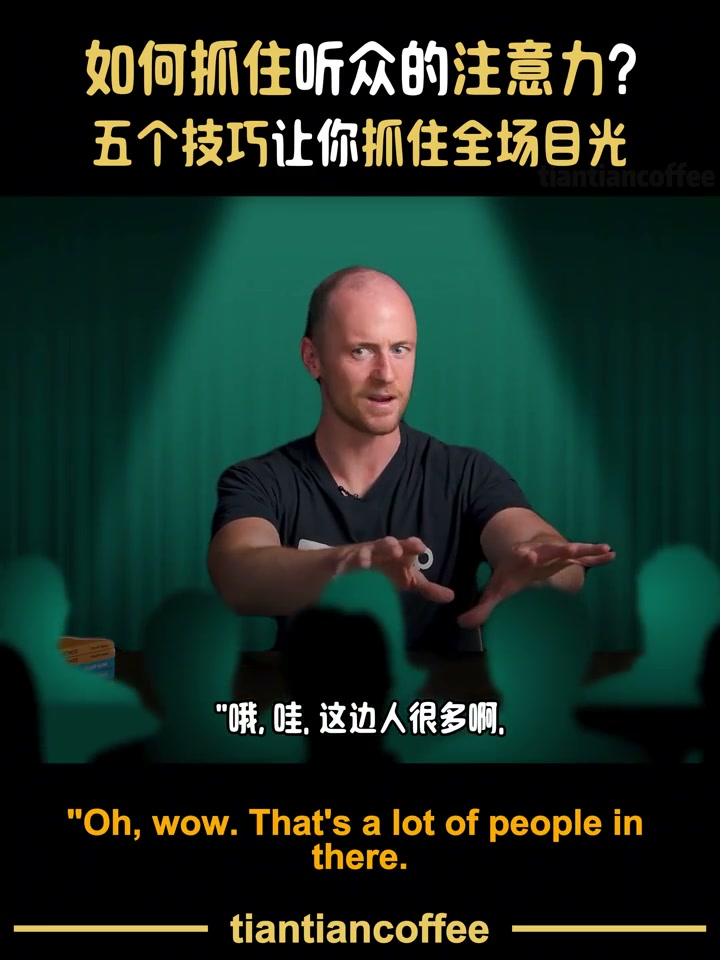
So you're like, oh wow, that's a lot of people in there
Oh, we got the minority in here
So acknowledge the responses
And third technique, imaginary scene
Imagine you're in your favorite cafe
You sit on this big comfy chair
Coffee in your hand
You take a deep sip of this warm coffee
Feeling the calm and present moment
That's the feeling our customers should have
Every time they interact with us
Imaginary scenes, they're pretty popular
But most people mess them up
Because they don't make them visual enough
They keep it pretty vague, pretty high level
They're like, oh, imagine you have a difficult problem
And yeah, that's your problem
It's too vague, it's not visual enough
Instead, pull them into the moment with some action words
Like, walk, sit, drink, smell
Those words will make it much more vivid
And so when you do that
A movie starts playing in your listener's mind
And then fourth technique
Unexpected silence
Welcome, everyone
I know this one sounds simple
And people know in theory that it's helpful
But every single person that I see doing or trying it
Well, they don't do it well
Because they pause for maybe a millisecond
And then they rush into the next
So when you do that
Take your time, right?
Go from one person to the other
Without saying a word
And then after three to five seconds
Boom, then you start
This silence is so powerful
And fifth technique, story
Two weeks ago, I tried to assemble a bookshelf at home
And for all the instructions, let's say
We're a little bit less helpful
Three hours in, I looked at it and like
Huh, this looks very wobbly
This is barely holding together
And I thought like, what the hell, right?
I just followed the instructions
Rustrated, I checked the manual
Only to realize
I skipped step one entirely
It was so painful
I spent the whole evening fixing my own mess
And I thought
How often do we rush into things
Without a clear plan
Today, ladies and gentlemen, I want to talk about
How to plan better
So we're not stuck fixing wobbly shelves later
I know stories can be a very big topic
But if I can give you just one tip
Don't summarize
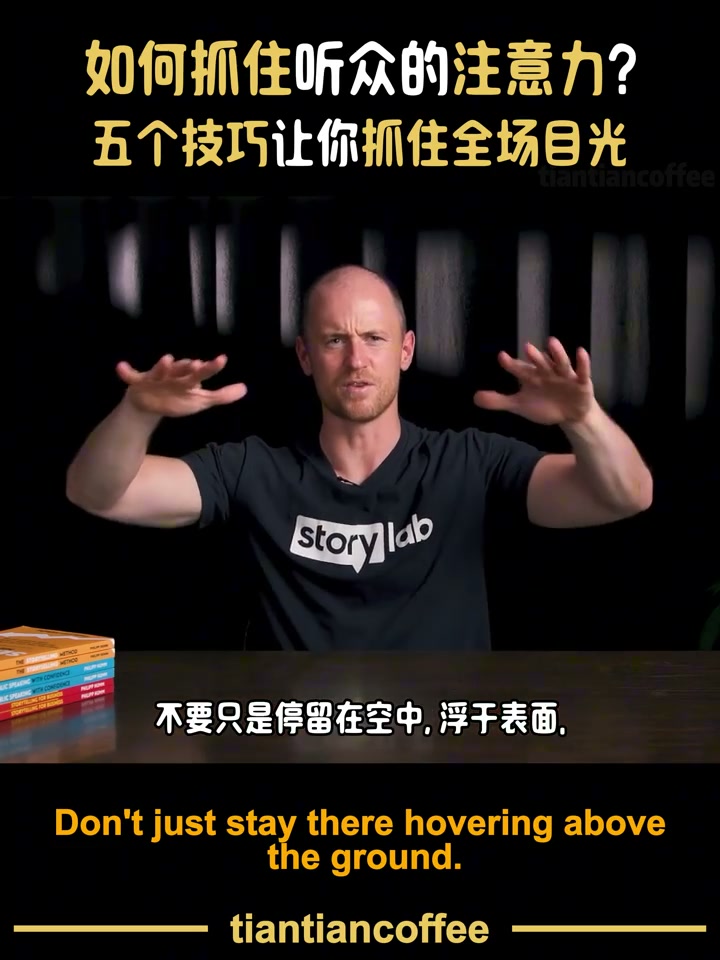
Don't just stay there hovering above the ground
Zoom into one specific moment
Into one vivid moment
Where something is happening
Say where you are
What are you doing?
What are you thinking?
What are you hearing?
That's what storytelling is about
But I know storytelling can sometimes feel
Very overwhelming at first
Now, if you want to learn
How to tell unforgettable stories
Check out this next video
Where she has some of my favorite
Storytelling techniques
See you there